

Skip to content
Sahara Link Group
Menu

Solar, sized as a system

SLG Renewables supplies and installs complete solar power systems across Bangladesh — on-grid, off-grid and hybrid. Panels, inverters, storage, controllers and protection are specified together, because a system is only ever as good as the part that was guessed.

Charge controllers

System voltage
12V / 24V / 48V
Current range
10A – 60A
Sizing
Per array and battery bank

Confirmed against the design before anything is ordered.

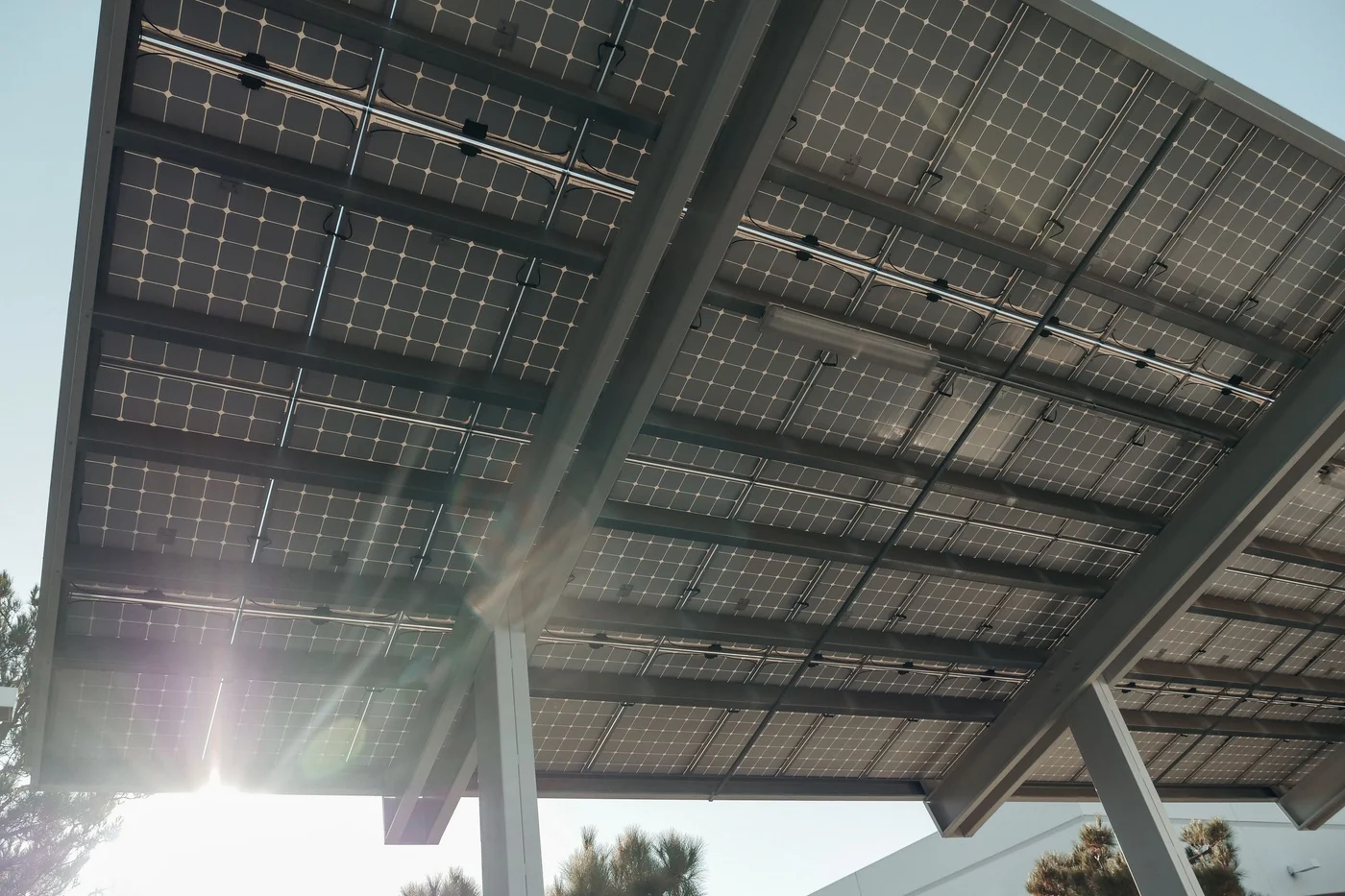
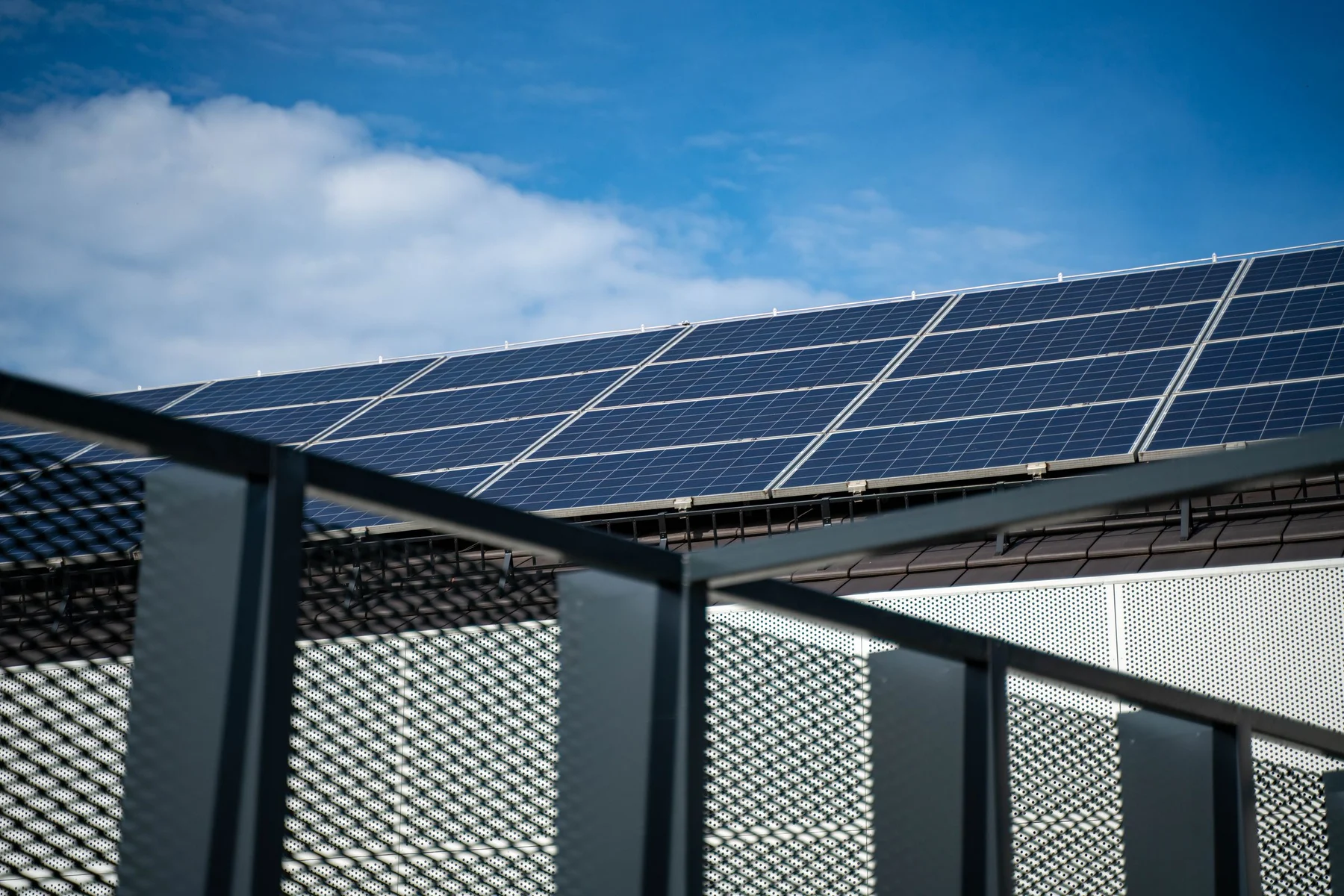
Solar array seen from below against a clear sky

Rooftop solar now earns a tariff

Bangladesh has introduced an incentive package for rooftop solar with battery storage. Surplus electricity sent to the grid is measured and paid for by the distribution company, and the benchmark generation cost is set at Tk 8 per unit — if a system runs below that, the difference stays with the owner.

  • Tk 10.50per unit

    Grid-feed tariff

    The fixed purchase tariff for surplus electricity sent to the grid under the new incentive package.

  • 28 Feb 2027

    Installation deadline

    A system has to be installed within this period to qualify for the package at all.

  • 28 Feb 2030

    Benefit runs until

    Three years of the incentive for installations that qualify before the deadline above.

  • 180 days

    Duty and tax relief

    Most duties and taxes on imported solar machinery and spare parts are waived for this window.

Equipment must meet BSTI and SREDA technical standards. Figures from government incentive announcements reported on 9 September 2026 — confirm current terms with us before committing to a system.

Three systems, one decision

Which one a building needs comes down to what the grid does there, and what has to keep running when it stops.

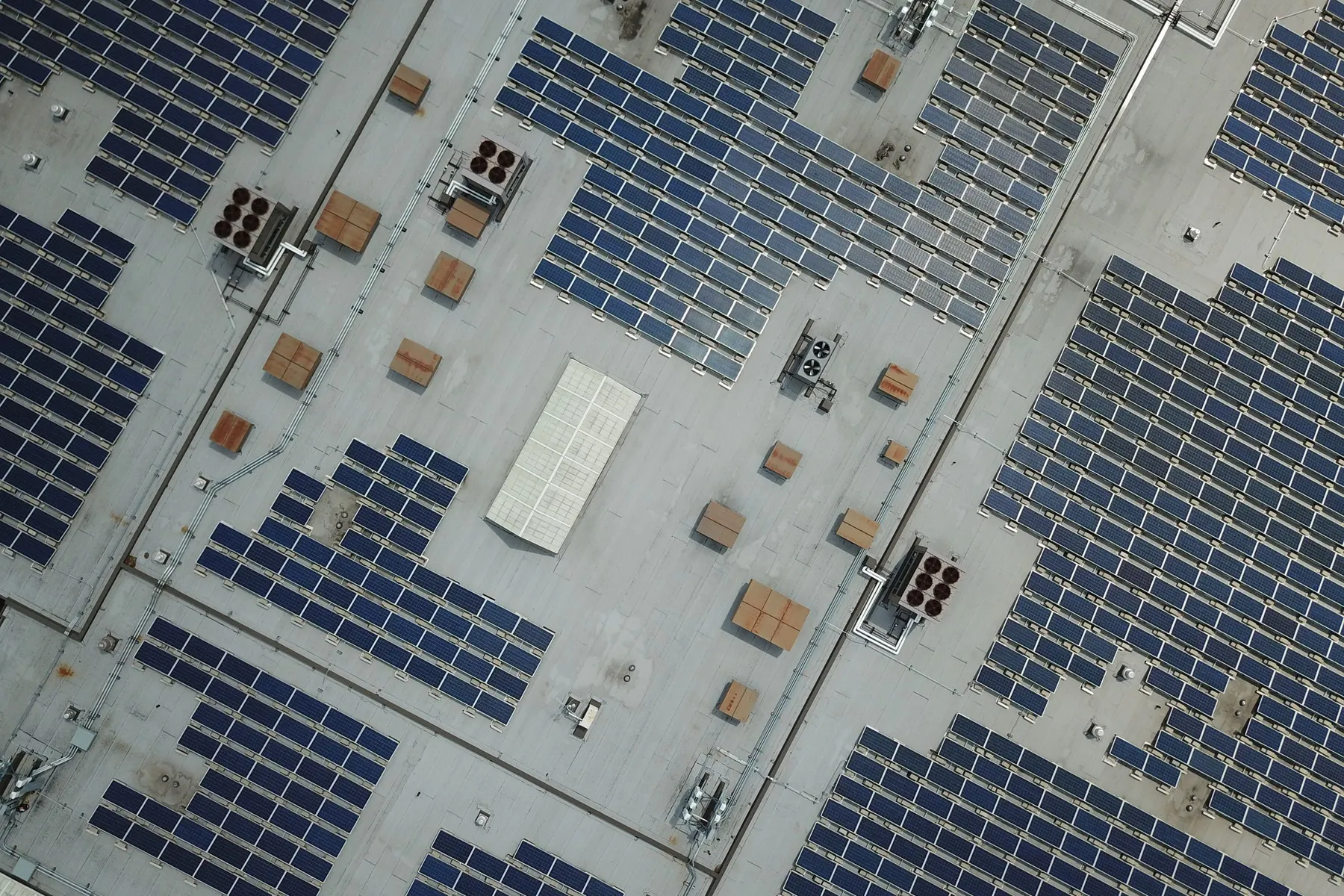
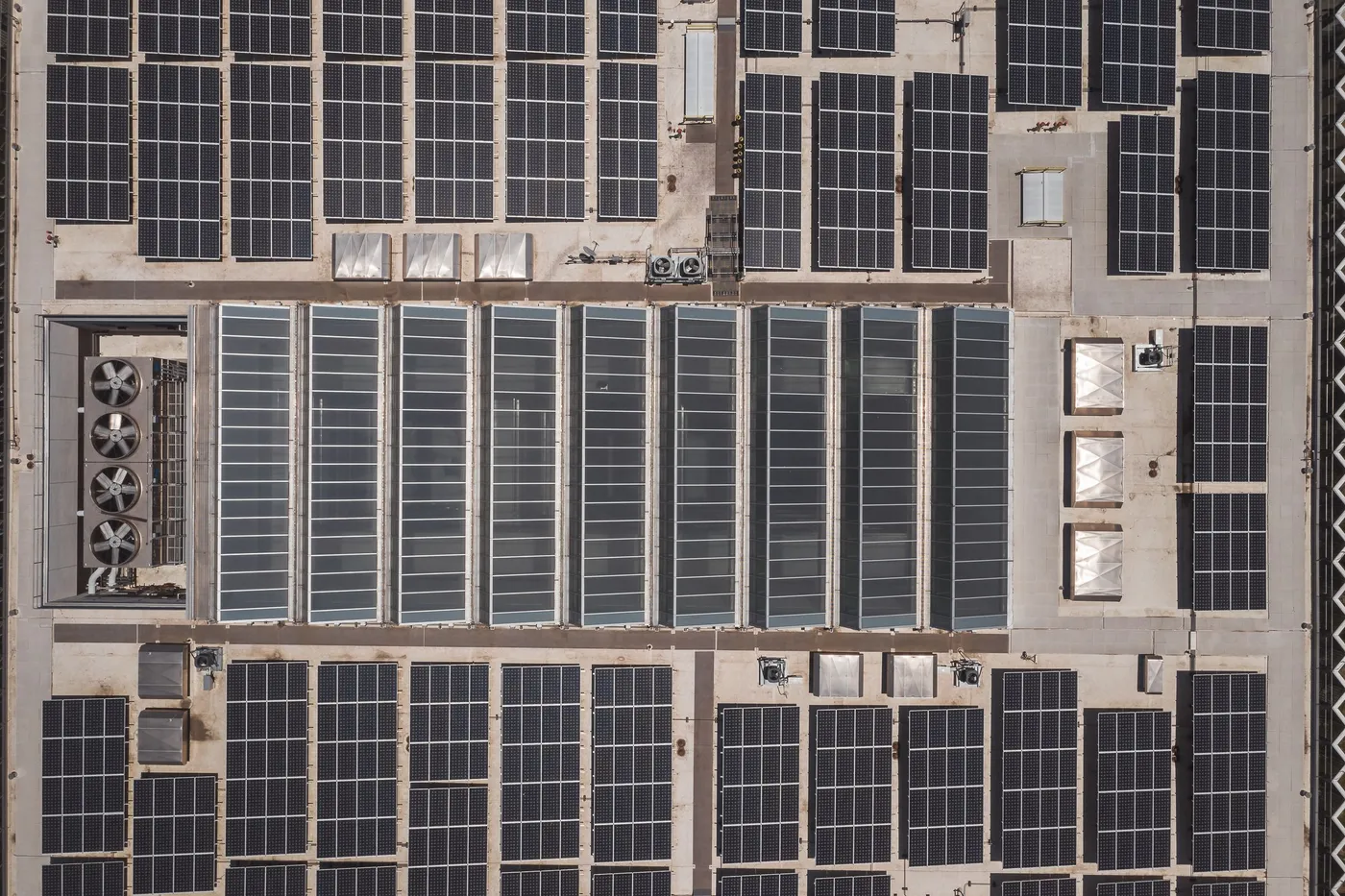
Aerial view of a commercial rooftop covered in solar panels

On-grid

Tied to the mains, no batteries

Generates alongside the grid and offsets what the building draws during daylight. With no storage to buy or replace, it is the shortest payback of the three, and the simplest to keep running.

Suits: Buildings with reliable mains that want a lower bill
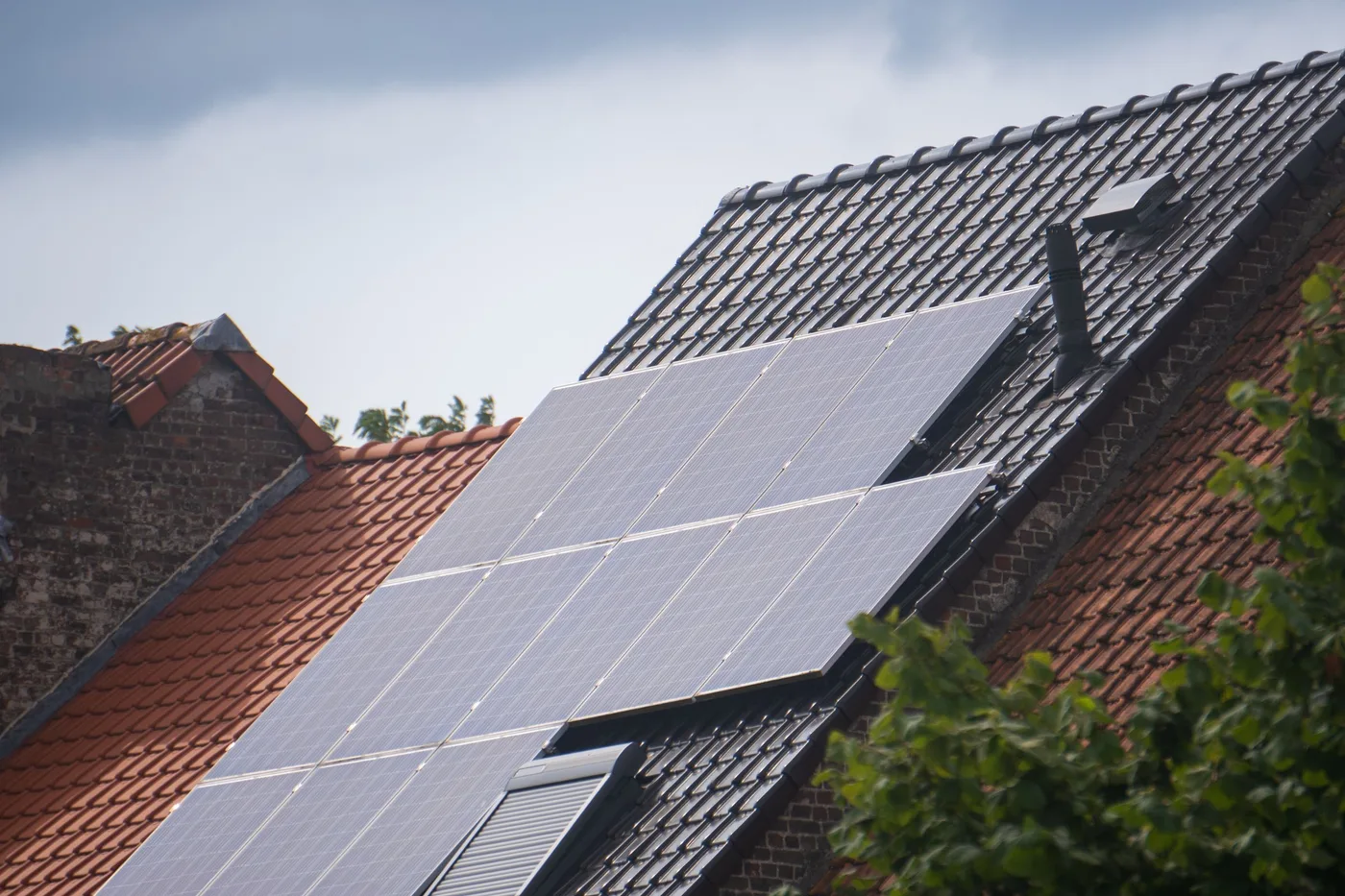
Solar panels installed across a pitched residential roof

Off-grid

Stands alone on battery storage

The array charges a battery bank and the building runs from it. Sized around what has to keep running overnight rather than around roof area, because the storage is what sets the limit.

Suits: Sites the grid does not reach, or cannot be relied on

Sunlight through the underside of a solar panel array

Hybrid

Grid-connected, with storage behind it

Solar through the day, battery through an outage, grid when neither is enough. It costs more than on-grid and it delivers what on-grid cannot: the lights stay on when the area goes dark.

Suits: Buildings that need both a lower bill and continuity

What goes into one

Supplied together and commissioned together, so there is one party responsible when something needs looking at.

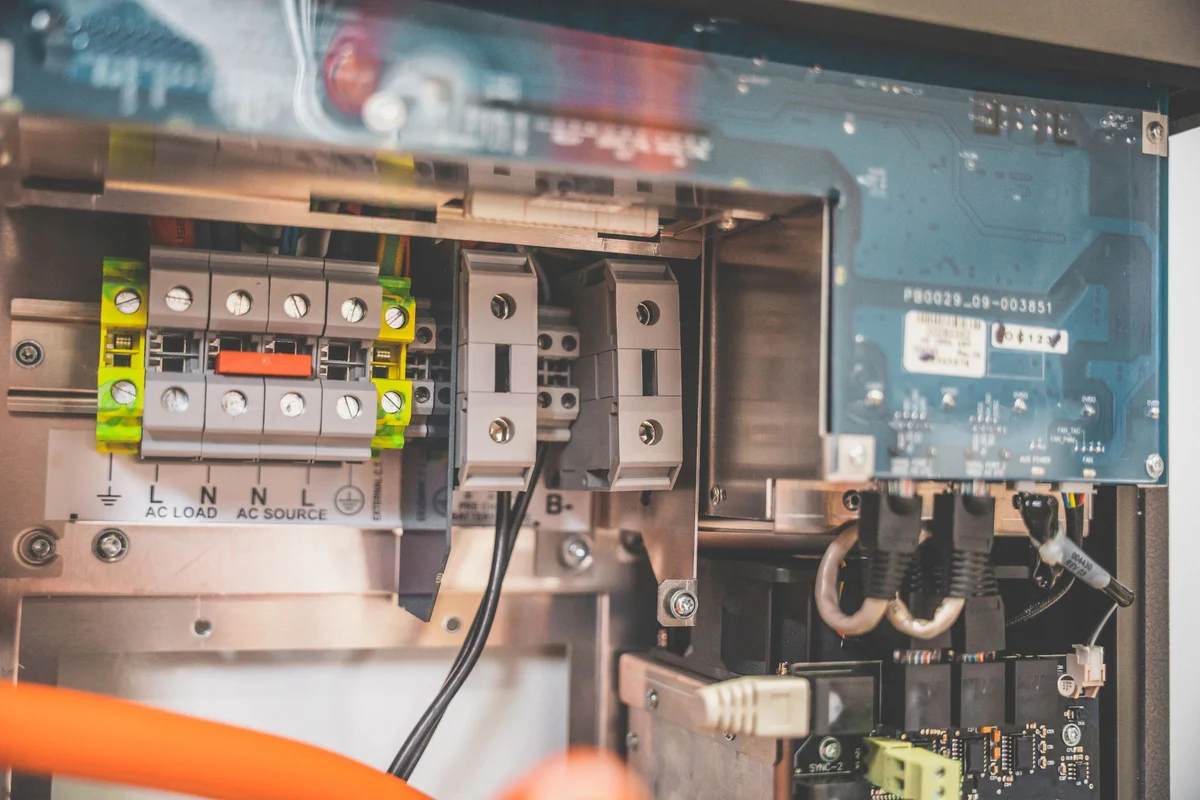
Close-up of solar inverter internals and terminals
  • Panels

    The array, sized to the roof, its orientation and what the building actually consumes rather than what fits.

  • Inverters

    DC from the array into AC the building can use. Which inverter the design needs follows from the system type, not the other way round.

  • Charge controllers

    Regulates what reaches the battery bank and holds it inside the charge profile its chemistry requires.

  • Batteries

    Lead-acid, lithium or commercial banks, matched to the inverter and to the backup duration the building actually needs.

  • Mounting

    Structures for pitched roofs, flat roofs and ground arrays, set out for the dead load and the wind load.

  • Protection

    DC and AC protection, isolation and earthing, so a fault stops at the equipment rather than travelling into the building.

How a system gets built

Four stages, one office. The people who size it are the people who come back to it.

  1. 01

    Site and consumption

    The bill, the roof and the shading decide the array. A system sized from roof area alone is either short of what the building uses or paying for output it will never take.

  2. 02

    System design

    Array, inverter, controller and storage specified together. Each one constrains the others, so specifying them separately is how a system ends up with a bottleneck nobody planned.

  3. 03

    Installation

    Mounted, wired, protected and earthed by the same office that supplied the equipment. No handover to a subcontractor in the middle.

  4. 04

    Commissioning and after

    Tested against the design it was sold on, then maintained by the people who installed it. Parts come from the same place they originally did.

Large solar array across an industrial rooftop, seen from above
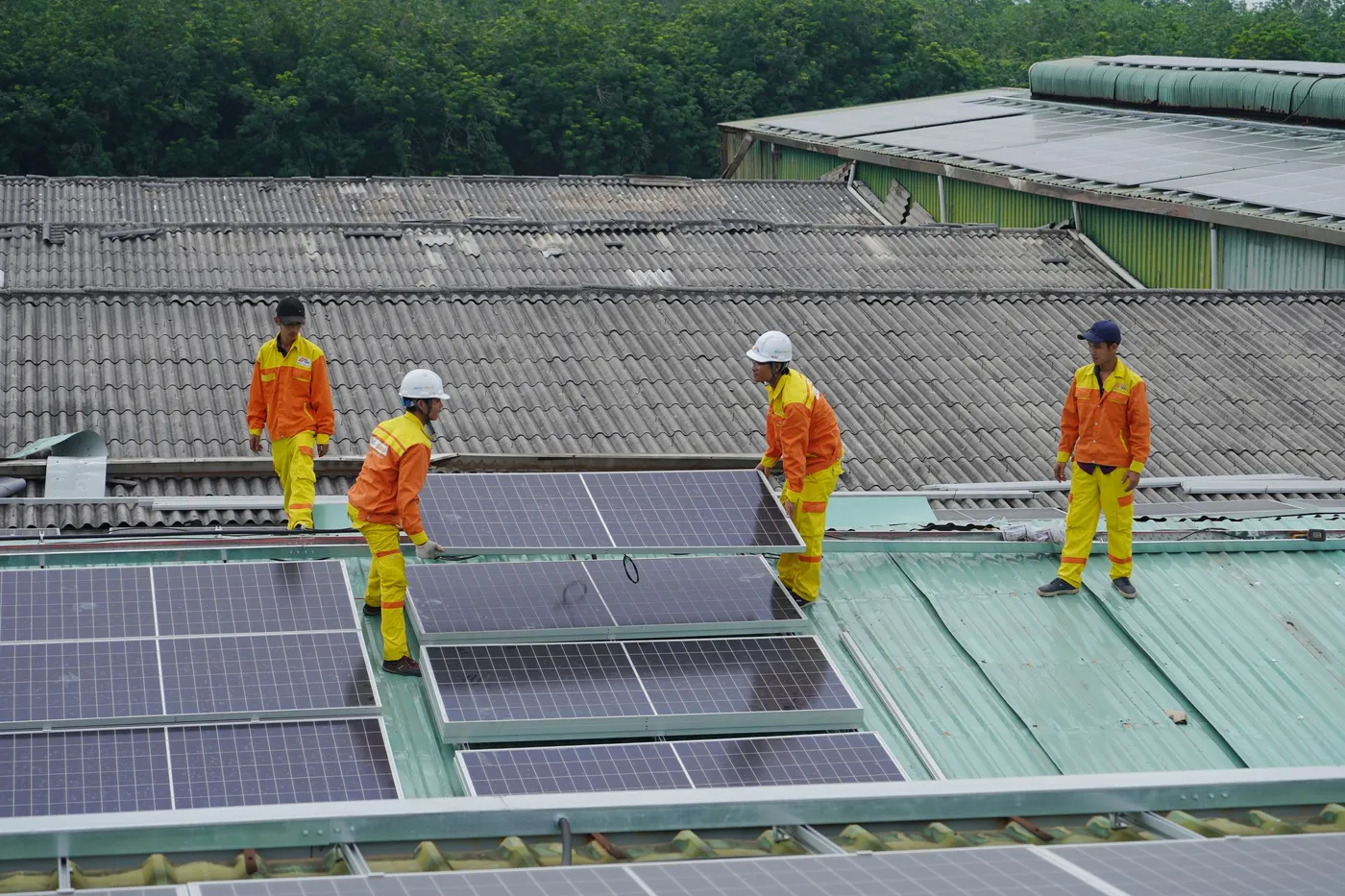
Installation crew fitting solar panels on a metal roof

Installed and kept running

Equipment is only half of it. The array is mounted, wired, protected and earthed by the same office that supplied it, and maintained by the same people afterwards — which is the part that decides whether a system is still producing in year five.

Tell us what the building uses

Send the monthly consumption, the roof and what has to stay on during an outage. We will come back with a system and a price.